Anzeige
Fauna Marin GmbH aquarioom.com Cyo Control Tropic Marin OMega Vital Whitecorals.com

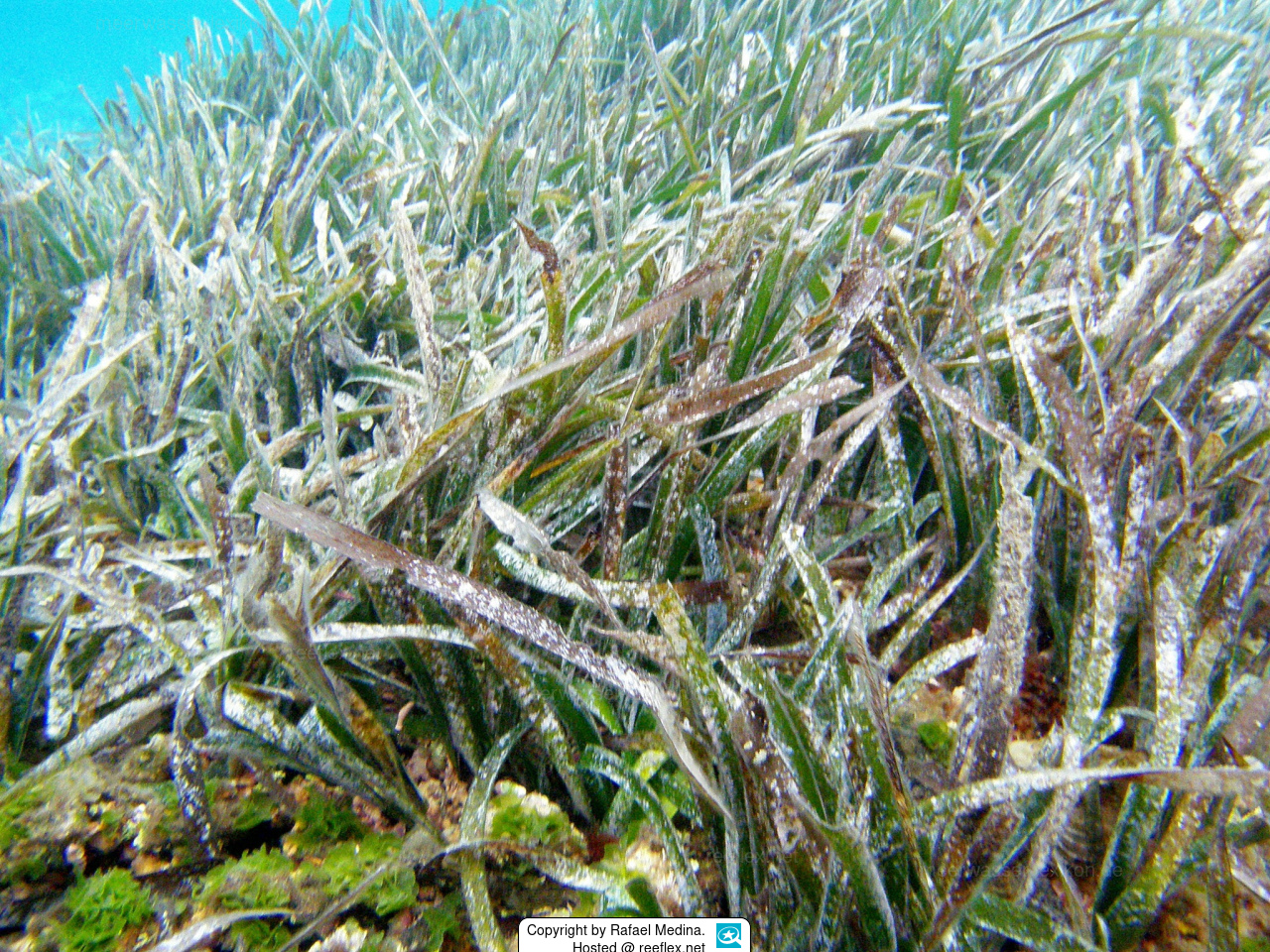
Posidonia oceanica Neptune Grass

Posidonia oceanica is commonly referred to as Neptune Grass. Difficulty in the aquarium: Not suitable for aquarium keeping. Toxicity: Toxic hazard unknown.


Profilbild Urheber Rafael Medina, Spanien

Copyright Rafael Medina


Courtesy of the author Rafael Medina, Spanien . Please visit www.flickr.com for more information.

Uploaded by AndiV.

Image detail


Profile

lexID:
3140 
AphiaID:
145794 
Scientific:
Posidonia oceanica 
German:
Mittelmeer-Neptungras 
English:
Neptune Grass 
Category:
Seaweeds 
Family tree:
Plantae (Kingdom) > Tracheophyta (Phylum) > Magnoliopsida (Class) > Alismatales (Order) > Posidoniaceae (Family) > Posidonia (Genus) > oceanica (Species) 
Initial determination:
(Linnaeus) Delile, 1813 
Occurrence:
Adriatic Sea (Mediterranean), Alborán Sea (Mediterranean Sea), Algeria, Balearic Islands, Egypt, European Coasts, Italy, Levantine Sea (Mediterranean), Morocco, North Atlantic Ocean, Spain, the Mediterranean Sea, Tyrrhenian Sea (Mediterranean Sea) 
Marine Zone:
Subtidal, sublittoral, infralittoral, deep zone of the oceans from the lower limit of the intertidal zone (intertidal) to the shelf edge at about 200 m water depth. neritic. 
Sea depth:
5 - 45 Meter 
Habitats:
Seagrass meadows, Eelgrass Meadows, Seawater, Sea water 
Size:
15.75" - 19.69" (40cm - 50cm) 
Temperature:
°F - 73.4 °F (°C - 23°C) 
Food:
Dissolved inorganic substances) f.e.NaCL,CA, Mag, K, I.P, CO2, Dissolved organic substances, Photosynthesis 
Difficulty:
Not suitable for aquarium keeping 
Offspring:
Possible to breed 
Toxicity:
Toxic hazard unknown 
CITES:
Not evaluated 
Red List:
Least concern (LC)  
Related species at
Catalog of Life:
 
Author:
Publisher:
Meerwasser-Lexikon.de
Created:
Last edit:
2025-03-04 19:13:45 

Captive breeding / propagation

The offspring of Posidonia oceanica are possible. Unfortunately, the number of offspring is not large enough to cover the demand of the trade. If you are interested in Posidonia oceanica, please ask your dealer for offspring. If you already own Posidonia oceanica, try breeding yourself. This will help to improve the availability of offspring in the trade and to conserve natural stocks.

Info

Posidonia oceanica (Linnaeus) Delile, 1813

Posidonia oceanica, like all other seagrasses, plays an important role in the sea. Not only are they extremely productive, but they are also a nursery, hunting ground and food source for a variety of animals.

Small animals such as fish, pipefish, seahorses and a whole range of other species use seagrasses as an effective hiding place against predators and spend their first time in the protection of these grasses.

For manatees, dugongs and turtles, seagrass provides them with food.The predators of the seas, in turn, know that seagrass meadows are a hunting ground for rich prey.

These reasons suggest that seagrass meadows, like mangrove forests, require priority protection by humans.

One thing should be clear: if the sea dies, so does the earth!

Synonymised names
Posidonia caulinii K.D.Koenig, 1805 · unaccepted
Zostera oceanica Linnaeus, 1767 · unaccepted (synonym)

Pictures

Commonly


Husbandry know-how of owners

am 26.03.15#1
Ich halte dieses Seegras, allerdings ist es nicht ganz einfach. Im Winter habe ich am Mittelmeer von Stürmen entwurzelte Pflanzen am Strand eingesammelt, von ca. 5 Knollen hat nur eine einzige überlebt. Sie wächst langsam, schubweise. Habe offensichtlich noch nicht die richtigen Bedingungen/Nährstoffversorgung gefunden. Ich hatte den Eindruck, dass die anderen Knollen an einer Krankheit o. ä. eingegangen sind. Sie schienen zu "schimmeln", weisse Beläge an den Blattachseln. Auf Fotos von vielen italienischen Mittelmeeraquarien habe ich die Pflanzen gesehen und sie machen einen guten Eindruck... Wenn die Pflanze gut wächst verbraucht sie sicherlich grosse Mengen an Stoffwechselprodukten.
1 husbandary tips from our users available
Show all and discuss